Empower Grant
The Empower Grant strengthens nonprofit organizations dedicated to supporting victims of violent crime and their communities. Through strategic funding partnerships, we help established organizations expand their impact, create sustainable support systems, and develop innovative programs that serve those affected by violent crime.
Empower Grants are available to registered 501(c)(3) organizations whose missions align with supporting victims of violent crime and their communities. Applicants must demonstrate clear project objectives, sustainable impact plans, and efficient resource allocation. We partner with organizations of various sizes, from local grassroots initiatives to national programs, prioritizing those that show innovative approaches to victim support and community healing.
Review the Requirements
The Empower Grant supports registered 501(c)(3) organizations dedicated to serving victims of violent crimes and their families. Examples of qualifying initiatives include victim advocacy programs, community support services, educational outreach, healing resources, and direct assistance programs. All grants are open until December 31 of the current year.
PLEASE NOTE – Higher Hope provides financial assistance for existing or planned programs. Organizations must have detailed implementation plans and clear objectives ready before applying.
IF YOU ARE A NONPROFIT ORGANIZATION SEEKING FUNDING FOR VICTIM SUPPORT INITIATIVES, PLEASE READ OUR QUALIFICATIONS AND SUBMIT AN APPLICATION.
- Must be a registered 501(c)(3) organization related to helping victims of violent crime.
- Must have established programs or detailed plans for new initiatives
- Must provide comprehensive project budgets and implementation timelines
- Must demonstrate sustainable impact potential
- Must provide proof of current nonprofit status and organizational documentation
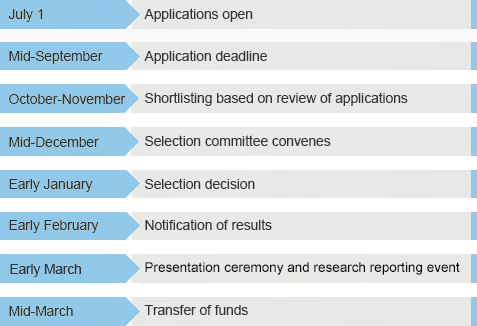
THE APPLICATION PROCESS
- EIN or UEI number for nonprofit verification
- Detailed project proposals and budget breakdowns are mandatory for all applications
- Applications that fail to provide required documentation may not be eligible for consideration
- Qualifying documentation includes, but is not limited to: detailed project proposals, budget allocations, impact metrics, organization history, and implementation timeline